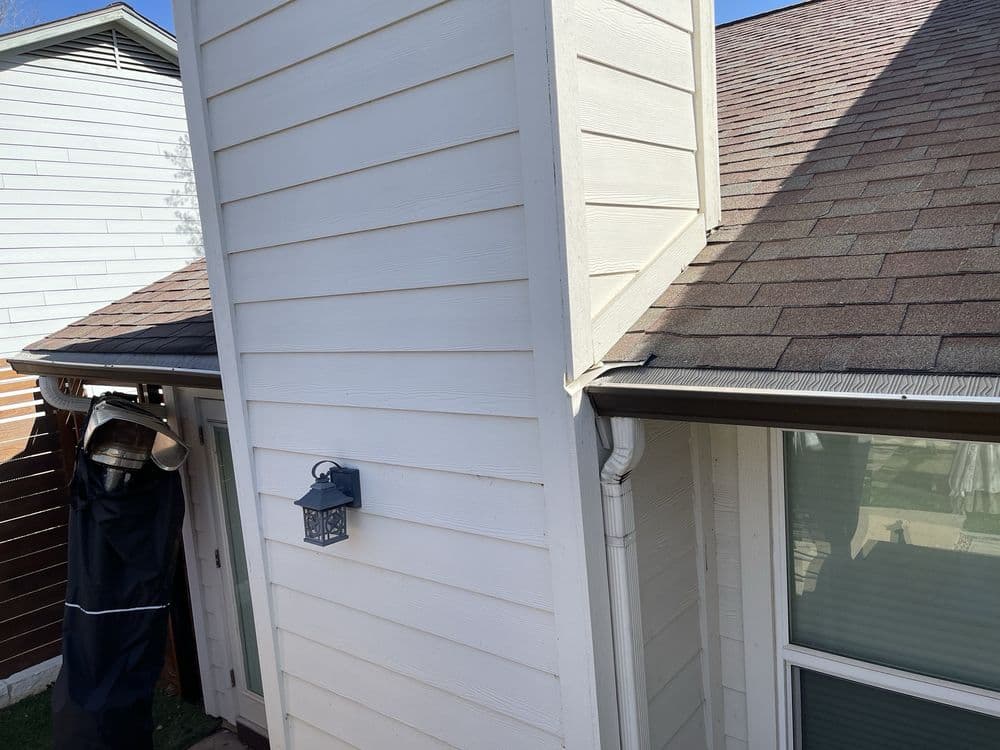
You've done the responsible thing and installed quality rain channels on your home. You keep them clean — or at least you mean to. But twice a year you find yourself on a ladder, elbow-deep in decomposing leaves and mystery sludge, wondering if there's a better way. Spoiler: there is. Gutter protection systems — most people call them leaf guards — have come a long way from the flimsy screens your grandparents might have tried. Modern options can virtually eliminate the need for hands-on cleaning while handling even the most intense storms. But not all guards are created equal, and picking the wrong one can actually make things worse. Let's dig into what's available, what works, and what makes sense for homes in this part of the country.
How These Systems Actually Keep Debris Out
At the most basic level, every guard system operates on the same principle: let water in, keep everything else out. How each design accomplishes that varies dramatically, and those differences determine whether you end up delighted or frustrated.
Some systems use physical barriers — fine mesh or perforated metal — that act like a colander. Water passes through tiny openings while leaves, twigs, seed pods, and pine needles stay on top and eventually blow away or slide off. Others rely on surface tension, using a curved solid cover that guides water around a rounded edge and into the channel while debris falls over the side. A third category fills the channel itself with porous material that water can permeate but solids cannot.
Understanding these mechanisms is important because each one has strengths and weaknesses that depend on your specific situation — your roof type, the trees nearby, the intensity of rainfall in your area, and even the pitch of your existing channels.
Micro-Mesh: The Gold Standard for a Reason
If you talk to drainage professionals who've installed and serviced thousands of systems, the majority will point you toward micro-mesh technology. There's a reason it dominates the premium end of the market.
A micro-mesh guard consists of a rigid aluminum frame topped with a sheet of surgical-grade stainless steel mesh. The openings in that mesh are incredibly fine — small enough to block not just leaves and twigs, but pine needles, roof shingle granules, and even seed helicopters from maple trees. Yet those microscopic openings still allow water to flow through at rates exceeding 22 inches of rainfall per hour, which is well above what even the most severe thunderstorms produce.
The stainless steel resists corrosion, UV degradation, and thermal warping. The aluminum frame provides structural rigidity so the guard doesn't sag or flex under the weight of debris or snow. It's a combination that works exceptionally well in demanding climates where heat, humidity, and intense rainfall converge — which, if you haven't guessed, describes Texas perfectly.
One legitimate concern with micro-mesh is surface buildup. While debris can't enter the channel, fine organic material can accumulate on top of the mesh over time, potentially reducing water intake. Quality systems address this with a slight pitch angle that encourages debris to dry and blow off naturally. An occasional rinse with a garden hose from ground level keeps things flowing perfectly.
Solid Cover Designs: Impressive Engineering With Trade-Offs
Surface tension guards (sometimes marketed as "reverse curve" or "helmet" style) look dramatically different from mesh systems. They feature a solid aluminum or vinyl cover that extends over the channel with a curved nose at the outer edge. Water follows the curve and drops into a narrow opening at the bottom, while leaves and debris continue their trajectory off the edge.
The physics are elegant, and these systems excel at shedding large debris — oak leaves, small branches, seed pods. They also handle high volumes of water well in most conditions. The challenges show up with fine debris. Pine needles can work their way into the narrow intake slot. Roof granules accumulate along the curve. And during especially heavy downpours, water can overshoot the curved nose entirely, bypassing the channel altogether.
These systems also tend to be more visible from ground level than low-profile mesh guards, which matters if curb appeal is a priority. They're not a bad choice by any means, but they perform best on homes without significant pine tree exposure and in areas where rainfall intensity stays moderate.
Budget Options: What You Get for Less
Perforated aluminum guards and foam inserts occupy the budget tier, and they're worth understanding even if they're not the strongest performers.
Perforated guards are simple aluminum sheets with punched holes that sit over or snap into the channel. They block large debris effectively and cost a fraction of premium systems. The downside is that smaller materials — pine needles, shingle grit, small seeds — pass right through. You'll still need to clean the channel periodically, though less frequently than with no protection at all.
Foam inserts take a different approach entirely. Triangular or rectangular blocks of porous polyurethane foam fill the channel completely. Water soaks through the foam and flows along the bottom of the channel while debris sits on top and (theoretically) blows away. In practice, foam inserts have a mixed reputation. They work reasonably well in the first year or two, but UV exposure degrades the foam over time. Organic debris also tends to embed in the porous surface, and the foam can become a growing medium for mold, moss, and even small plants. In a humid climate, that degradation accelerates.
DIY screen kits from hardware stores fall into a similar category — affordable upfront but limited in longevity and effectiveness. They're worth considering as a temporary measure but shouldn't be viewed as a permanent solution.
What Makes This Region Uniquely Challenging
Living along the Gulf Coast and in Central Texas means dealing with weather patterns that stress any drainage accessory to its limits. Understanding those specific demands helps you choose wisely.
Rainfall intensity is the first factor. Houston averages about 50 inches of rain annually, and much of that arrives in sudden, heavy bursts. Austin sees somewhat less total precipitation but experiences its own intense storm events, particularly in spring. Any guard system installed in these areas needs to handle extreme volume without water overshooting the channel.
Tree diversity is another consideration. Texas properties frequently feature a mix of species — live oaks, pecans, pines, magnolias, sweetgums, and crepe myrtles — each producing a different type of debris. Live oaks drop catkins in spring and leaves gradually year-round. Pines shed fine needles constantly. Pecans release a blizzard of casings in fall. A guard system that handles oak leaves beautifully might fail completely against pine needles. Micro-mesh is the only category that truly addresses this full spectrum.
Humidity and heat also matter. Guards that rely on debris drying out and blowing off need airflow and low humidity to work as designed. In the Houston-Galveston corridor, humidity regularly sits above 80 percent for days at a stretch, meaning debris stays damp and sticky longer. Systems with steeper pitch angles and smoother surfaces handle this better than flat or textured options.
The Real Numbers Behind the Investment
Transparent pricing helps you plan, so here's what to expect. Professional micro-mesh installation typically runs between $8 and $15 per linear foot, depending on the product, home height, and accessibility. For a typical single-story house with 150 to 200 linear feet of channels, that translates to roughly $1,200 to $3,000.
Is that a significant check to write? Absolutely. But consider what you're offsetting. Professional cleaning services average $150 to $300 per visit, and most homes need two visits annually. Over ten years, that's $3,000 to $6,000 in cleaning costs alone — not counting the risk of water damage from missed cleanings or the value of your own time if you've been doing it yourself.
Then factor in the extended life of your channels. Debris-free systems experience less corrosion and mechanical stress, often lasting five to ten years longer than unprotected ones. The replacement cost for a full set of quality seamless channels runs $1,500 to $4,000, so delaying that replacement by a decade represents real savings.
Most homeowners recoup their guard investment within three to five years. After that, the savings keep accumulating.
Why Professional Installation Matters More Than You Think
It's tempting to save money and install guards yourself, and plenty of products market themselves as DIY-friendly. For basic screens and foam inserts, self-installation is certainly possible. But for premium micro-mesh and solid cover systems, professional installation makes a meaningful difference in performance and longevity.
Proper fit is critical. Guards that don't sit flush against the channel lip or that leave gaps at corners and downspout openings will allow debris intrusion — defeating the entire purpose. Professional installers custom-cut each section on-site and ensure tight, consistent contact along every inch.
There's also the matter of your roof warranty. Some roofing manufacturers void warranty coverage if aftermarket accessories are installed by unlicensed individuals. A professional installer knows how to secure guards without lifting shingles or disturbing roofing materials in ways that create liability.
Finally, a quality installer will clean and inspect your existing channels before guard installation, repairing any damaged sections, resealing leaking joints, and verifying proper pitch. Installing guards over a system with existing problems just hides those problems — it doesn't fix them.
Make the Smart Choice for Your Home
Gutter protection isn't a luxury — it's a practical investment that saves time, reduces risk, and pays for itself within a few years. The right system keeps your channels flowing freely through every storm, eliminates dangerous ladder climbs, and extends the life of your entire drainage system. If you're ready to stop spending weekends on maintenance and start enjoying the peace of mind that comes with a protected home, Jobe Gutter Services is here to help. With over 15 years of experience serving homeowners across Houston, Austin, Angleton, Lake Jackson, Galveston, and Southeast Texas, we'll recommend and install the right solution for your property. Call (512) 290-8871 or (979) 201-1577 to schedule your free consultation and take the first step toward maintenance-free protection.